From Burnout to Breakthrough: The Story Behind NeuroFuel
Laura Kendall
9/10/2025
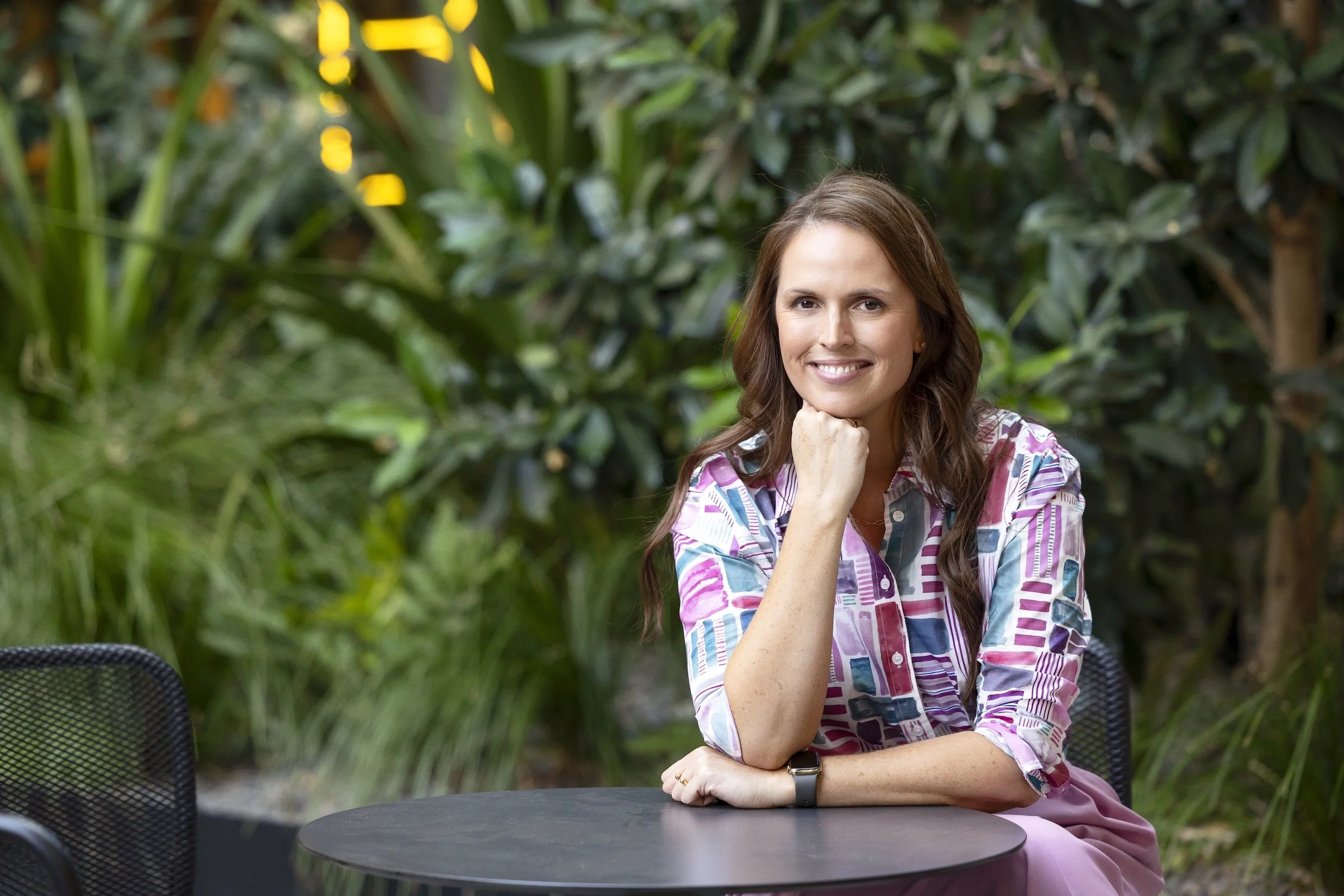
When I was identified as an autistic ADHDer in my early forties, my first reaction wasn’t shock, it was relief.
Finally, so many parts of my story made sense. The exhaustion from masking. The decades of trying to “fit in” while never quite understanding why it felt like wearing shoes a size too small. The burnout, anxiety, and repeated depression that followed me through an otherwise successful career.
And then came the a-ha moments, a whole series of them. I began seeing opportunities everywhere to accelerate a shift I’d never consciously named before: to a world of work where people of all neurotypes thrive, and the organisations that make that possible outperform everyone else.
That realisation became the spark for NeuroFuel.
Finding My Way
Like many late-identified neurodivergent people, I went through a period of deep reflection – and grief.
I grieved the decades I’d spent trying to hide or suppress the most natural parts of myself, just to stay safe or to be taken seriously. I grieved not having the language to explain my needs or advocate for them.
But I also recognised a silver lining. Remaining undiagnosed for decades meant I’d built my leadership skills the long way around, through persistence, pattern-spotting, and curiosity about how people and systems work.
After a few early years as an environmental engineer, I stepped onto the leadership ladder the way so many of us were told to: by taking on bigger teams, budgets, and transformations. My brain’s natural drive to analyse, systemise and connect dots helped me earn a reputation for getting things done, including when others had messed up or given up.
But it wasn’t all smooth. Some of my team members experienced me as distant or overly focused on results. So I learned, slowly and deliberately, to lead in a way that made people feel safe, trusted, and seen. To connect emotionally as well as intellectually. That part didn’t come naturally; it came from work, reflection, and a lot of stumbling.
Looking back, that process was quietly rewiring me for the kind of leadership NeuroFuel now imparts every day: clear, compassionate, and grounded in understanding how human brains work.

Seeing the Opportunity
Once I embraced my neurodivergence, I couldn’t unsee what was hiding in plain sight.
Most workplaces I’d encountered, in the public sector and beyond, were missing an enormous source of untapped performance and innovation: the neurodiversity already in their workforces.
The solution wasn’t rocket science. It just required two things:
A basic understanding of neurodiversity (the kind you can gain from a few hours of training and curiosity).
The courage and commitment to apply the contemporary leadership principles we’ve all been talking about for years, but rarely practising consistently.
When you combine those two things, extraordinary things happen. Teams become safer, bolder, more creative. Burnout drops. Problem-solving improves. Retention climbs.
And this generation of leaders – Millennials and Gen Z-ers – already get it. They know the social contract at work has changed. They expect workplaces that are human, not performative. They’re ready to lead differently; they just need the tools, the language, and sometimes permission.
Fuel for the Future
I started NeuroFuel to work with these leaders – the ones who know they can be kind and high-performing, who see inclusion as the backbone of innovation, not a nice-to-have.
We help them clear away red tape, challenge outdated leadership habits, and build cultures where curiosity, courage, and compassion aren’t just values stuck on a wall; they’re daily practices.
Because neuroinclusive leadership isn’t a side project. It’s the new baseline for leading well in complex times. The same skills that help neurodivergent people thrive are exactly what make organisations future-fit: clarity, flexibility, empathy, courage, and systems thinking.
That’s what excites me most: knowing that every leader who learns to see and value different brains is building not only better teams, but a better world of work for the next generation.
To me, that feels like time well spent.